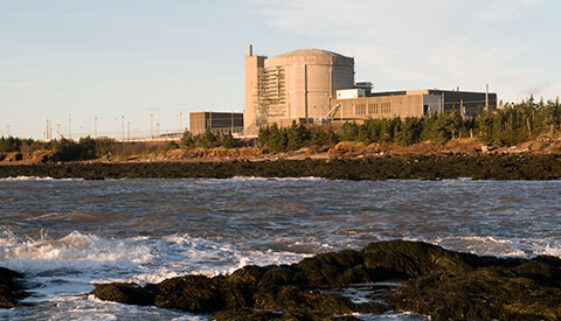
Four Provinces Release Strategic Plan On Small Nuclear Reactors
The plan identifies five key priority areas for developing and deploying the reactors, also known as SMRs

The plan identifies five key priority areas for developing and deploying the reactors, also known as SMRs
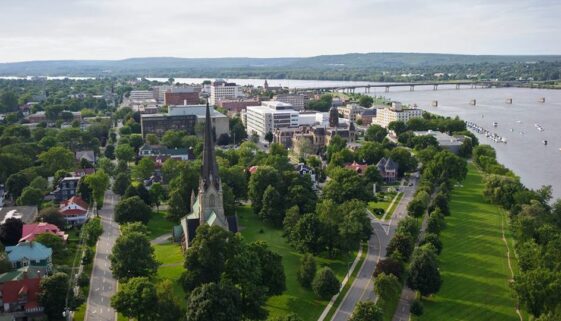
The provincial population has grown by more than 40,000 over the past five years, including an increase of 15,000 people in the last year.

In its recently revealed 2022-23 budget, the Higgs government announced a $6.9-million increase for the Department of Tourism, Heritage and Culture. This represents a 26 percent increase in the tourism budget when nonrecurring Covid-related spending is excluded.

In the weeks since CyberNB shut down, an apparent abdication of responsibility by the organization, its partners, and its funders has left participants in an employment program on the hook for what is likely more than $700,000 in unpaid grants.
The Coalition for Responsible Energy Development in New Brunswick is calling for the decommissioning of the Point Lepreau Generating Station, and greater transparency in response to NB Power’s efforts to secure a 25-year nuclear operating license.

After a period of slow recovery since the beginning of the pandemic, consumer confidence in Atlantic Canada has declined over the past six months, reaching a new low, according to Narrative Research.
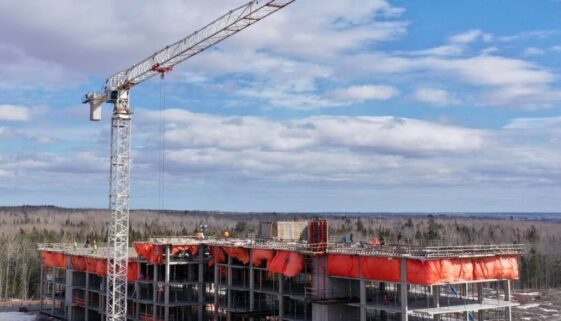
After a snowy, cold January and February the pace of construction of a new 102-unit apartment building on Lady Ava Boulevard picked up in March.

Two years ago, the New Brunswick Craft Alcohol Producers Association called on the province and ANBL for a better mandate to prioritize local producers. The result is ANBL’s Craft Alcohol Producer Advisory Committee which will begin meeting later this spring.

Tenants’ rights advocates say the budget is a tentative step in the right direction, but not enough. Landlords, meanwhile, say the changes have cranked up expenses and will stymie the development of new housing stock.

While the New Brunswick government will provide financial relief to early childhood educators to offset the cost of the $1.00/per hour minimum wage increase coming next month, a large group of operators say they’ve been left out of the money.