Saint John’s ‘Stark’ Differences in Child Poverty Rates
Saint John’s child poverty rate is 23.8 percent, which is well above the provincial average of 16.6 percent.


Saint John’s child poverty rate is 23.8 percent, which is well above the provincial average of 16.6 percent.

“We wanted to make sure that our community of small business was still going to survive and be okay,” the owners say.

Accommodations housed as many as 20 people at a time, were dirty, had no internet access, low water pressure, and low temperatures. Workers also described long hours with few breaks, lack of health and safety training, and unfair and dangerous working conditions.

Five industry sectors – utilities, manufacturing, mining and oil, other primary industries, and transportation – account for 90 percent of Atlantic Canada’s emissions. They’re also responsible for about half of all jobs in the region.

Field Trip Health introduces a new form of therapy to New Brunswick. With ketamine-assisted therapy, clients have been experiencing life changing results.

With the help of community, and a passion for the art of ceramics, Jackie Doucette opened Claytime with Jackie to help others discover their love of working with clay.

The Consumer Price Index (CPI) stood at 5.9 percent last month, down from 6.3 percent in December. But despite the continued slowdown, food prices continued to rise at a much faster pace than overall inflation.
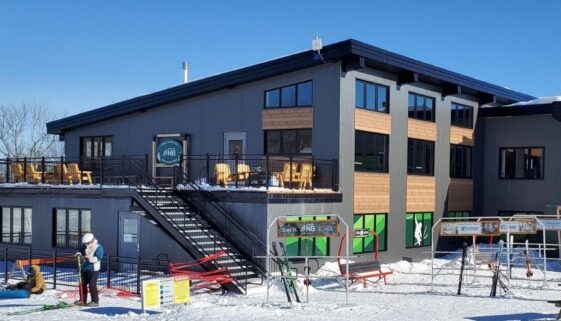
Co-hosting the Canada Games provided the impetus to improve facilities, focus on year-round attractions.
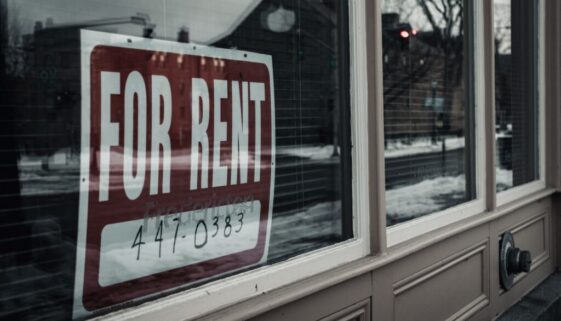
New Brunswick’s housing minister says the province’s vacancy rate is in a “crisis zone.”

A new facility creates even better opportunities for the thermal testing and instrument company.