Unemployment Down Across Atlantic Canada
According to Statistics Canada, both Nova Scotia and New Brunswick saw their unemployment rates go down last month, although neither drop was significant.


According to Statistics Canada, both Nova Scotia and New Brunswick saw their unemployment rates go down last month, although neither drop was significant.

David Campbell believes the biggest issue for Canadian newcomers is finding jobs in their field, or jobs that leverage their skills and background.

At a glance, New Brunswick’s economy bounced back dramatically compatred to many other provinces. But economist Fred Bergman says the recovery was less simple and more uneven than that.
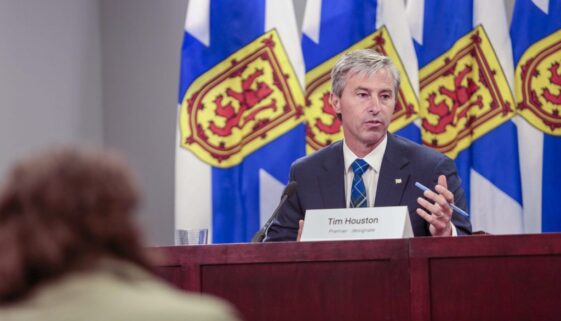
Premier Tim Houston announced Oct. 28 that every nurse graduating in Nova Scotia for the next five years will be offered a job with Nova Scotia Health, the IWK, or the continuing care sector.

According to the latest report by Statistics Canada, the hardest-hit sectors included goods-producing, construction, wholesale and retail, accommodation and food service, and agriculture.

While New Brunswick added 400 jobs last month, many were part-time employment. In total, 1,000 full-time positions were lost, bringing the unemployment rate up three points to 9.2 percent.

Over the past year, the employment and labour numbers have not been so kind to Nova Scotia as a whole, however.

New Brunswick lost approximately 4,800 full-time jobs and added approximately 4,100 part-time positions last month, according to the latest labour force survey from Statistics Canada.

The $40-million facility, which opened in 2019, employed 63 people.

Moncton gained 1,100 jobs and Saint John lost 700 in the latest Statistics Canada labour force survey.