Halifax Economy Weathers Pandemic Better Than Any Other Major Canadian City
Halifax’s GDP is expected to grow by 5.7 percent by the end of 2021, and then return to a “more normal” range of about 2 percent in the ensuing years.



Halifax’s GDP is expected to grow by 5.7 percent by the end of 2021, and then return to a “more normal” range of about 2 percent in the ensuing years.

Owner Wendy Friedman says the business community in the North End feels more aligned with the kind of shop she wants to run — one that’s “deeply rooted in community.”

The CAT has been out of service for three years, thanks to a combination of the Covid-19 pandemic and the construction of a new terminal in Bar Harbor, Maine.
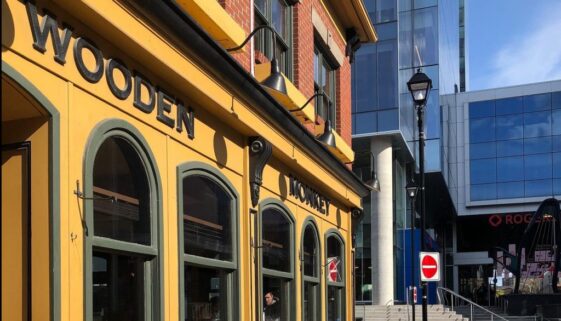
Christine Bower doesn’t care if people are vaccinated and has no desire to tell people what to do with their lives. But she doesn’t think it’s fair for them to take their anger out on her staff.

With the city growing so fast, Mike Savage said the city needs thousands of new units. And it will have to keep approving more, and doing it quickly, to keep up.

Nova Scotia is modifying its move to Phase 5, tightening border restrictions, and implementing a mandatory vaccination policy for many government employees as the fourth wave of Covid-19 rips through the province.

The fund’s initial investors include more than 30 women, a Canadian national bank, as well as the Government of Nova Scotia, which ponied up $5-million earlier this year.

Jagger’s Café is just the latest victim of a massive labour shortage that has been plaguing the foodservice industry for months.

Cyclesmith made a bold move last week when it boosted the pay of every full-time employee to match the living wage, which the Canadian Centre For Policy Alternatives says is $21.80 per hour in Halifax.

Say goodbye to the New Scotland Yard Emporium, and hello to Fang, Morley’s, and Fricton Books. And don’t worry, TAZ Records is sticking around, too.