How To Reverse The Decline Of Manufacturing In New Brunswick
Prince Edward Island has been a bright spot with 28 per cent manufacturing GDP growth since 2004 – second best among the provinces.

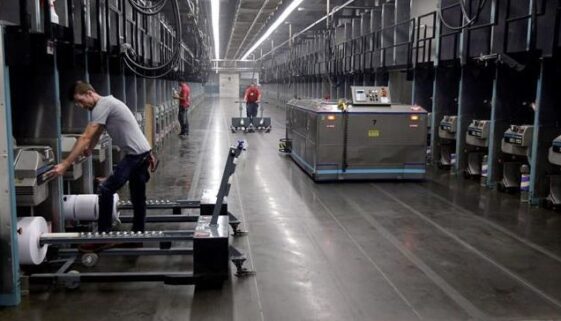
Prince Edward Island has been a bright spot with 28 per cent manufacturing GDP growth since 2004 – second best among the provinces.

We should think more about where the next round of entrepreneurs will come from rather than which funding programs/cash we are going to give the ones coming through the door, says David Campbell.

We will have 25-30 per cent Employment Insurance usage in this province – and in some communities 40-50 per cent usage – in perpetuity until the federal government changes the program, says David Campbell.
David Campbell has compiled a list of the household spending categories where the province ranks #1 among the 10 provinces and the ones where we rank 10th.

You can talk all day about “helping small business” but the real issues are broader, says David Campbell. The province should be a place that encourages and supports entrepreneurs and their efforts to reach global markets with products and services.

Don’t impose your insecurities on new immigrants, says David Campbell. If they can settle here, find an economic opportunity that aligns with their skills and interests and build social networks, they will stay and thrive.

Across Canada, services export revenue is up 29 per cent between 2007 and 2015. David Campbell says New Brunswick needs to boost its own services exports in areas like education, tourism, IT, engineering and business services.

The latest Statistics Canada data shows people in the province aren’t giving as much to charities these days. David Campbell says we need to encourage young people, in particular, to start giving more of their time and money to worthy initiatives.
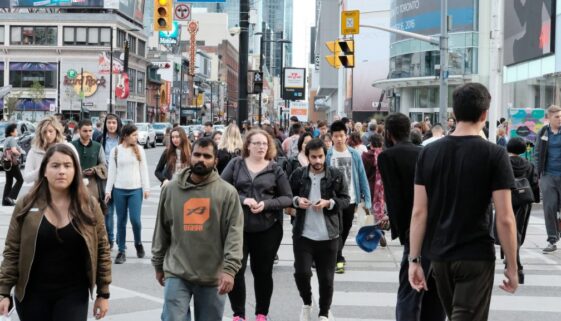
New Brunswick needs to stop wringing hands over locals leaving here for opportunities in other provinces. We just need to bring in more immigrants like Toronto is doing.

In the 1970s, N.B. had 4.3 young people for every one person over the age of 60. To reach that number today, we would need an additional 728,000 people under the age of 25.