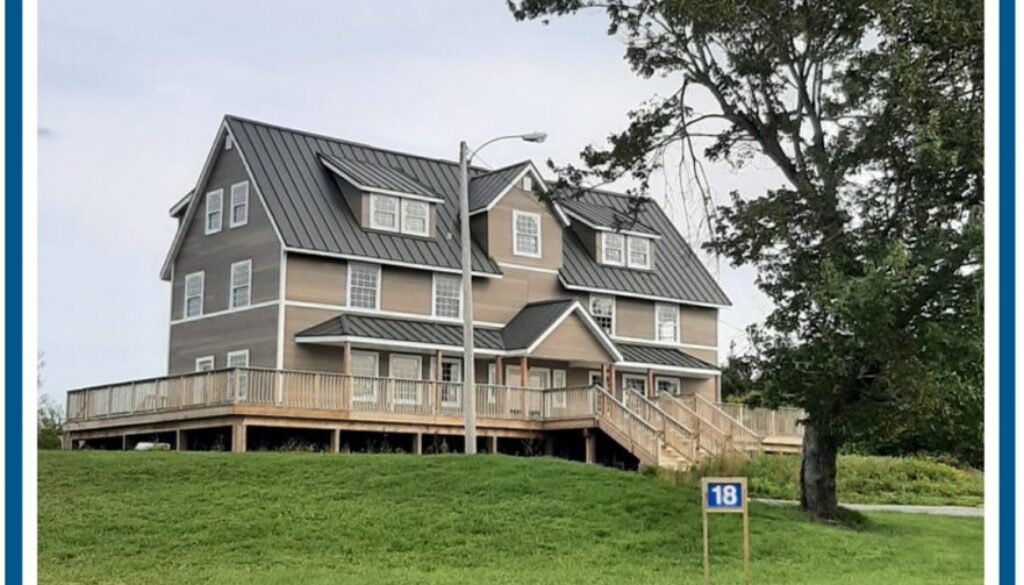
Senator, Business And Community Leaders Rally Behind Massive Preston Development
HALIFAX — Halifax Regional Council paved the way this week for a massive development on more than 300 acres of land in the Preston Township.
On May 4, after an hours-long public hearing, Council approved zoning changes on the former site of the Nova Scotia Home For Coloured Children that will allow a new community to be created on the land.
The property is owned by Akoma Holdings Incorporated, a social enterprise based in the community that was established in 2014 to administer the land.
Spencer Colley, a member of Akoma’s board, told Huddle in April the approximately 315 acres is “the largest piece of property owned by a black institution, probably east of Montreal.”
Akoma has a seven-stage development plan for the property that would transform it into what Colley calls a “community within a community” that provides a range of economic and social opportunities to residents of the Preston Township.
Once they’re formally adopted, the new zoning regulations will allow Akoma to begin that development.
RELATED: Read more on the history of the NCHCC and details on Akoma’s development plan here.
At the May 4 meeting, more than a dozen people—including several prominent community members—showed up to a virtual public hearing to give their thoughts on the project.
East Preston resident Ivonne Atwell echoed the thoughts of many speakers when she told council how important the development could be for the community.
She said the Preston Township has been fighting for “some kind of development” for years but previous efforts have always seemed to fizzle.
“This is something that we have not had, development in our communities. We have not had this. We have had pieces, glimpses of hostilities, but this is a big deal,” she said.
She said she knows young people in the community who don’t have secure housing and said the community is still largely underserved. She argued the Akoma development is a way for the community to take its destiny into its own hands.
“It is so important for us now to take the lead in our communities, around housing, employment…make this our own. Finally, after all these years we have an opportunity to move forward,” she said.
While support for the project was generally widespread and effusive, not everyone who spoke on May 4 was completely on board.
Some former residents of the NSHCC, who have come together under the name Voices, expressed concerns about how plans for the development came together.
Tony Smith, who leads Voices, said Akoma is unfairly representing the engagement it undertook with his group. He said Voices was asked to participate in engagement sessions but that members couldn’t fully express their views about the project.
He questioned if Akoma was truly working on behalf of all African Nova Scotians and called for a financial audit of the organization.
“We, as Voices, are really offended not only by the institution of Akoma, and the lies and the deceptions, but also with HRM,” Smith said. “We feel we’re being rushed into this here, and Covid is being used as an excuse.”
He continued that he doesn’t oppose the former NSHCC land being developed “as long as it’s coming from the Black communities and the Black community has input into what they’ve been doing.”
Walter Toth, who has done work for Akoma, told council the organization has worked hard to include the larger community in its planning and that community feedback has directly impacted its development plan.
“The Akoma organization has always been focused on meeting the needs of its community. None of their intent or work is ever self-centered: it is outwardly shared by and for the community needs,” he said.
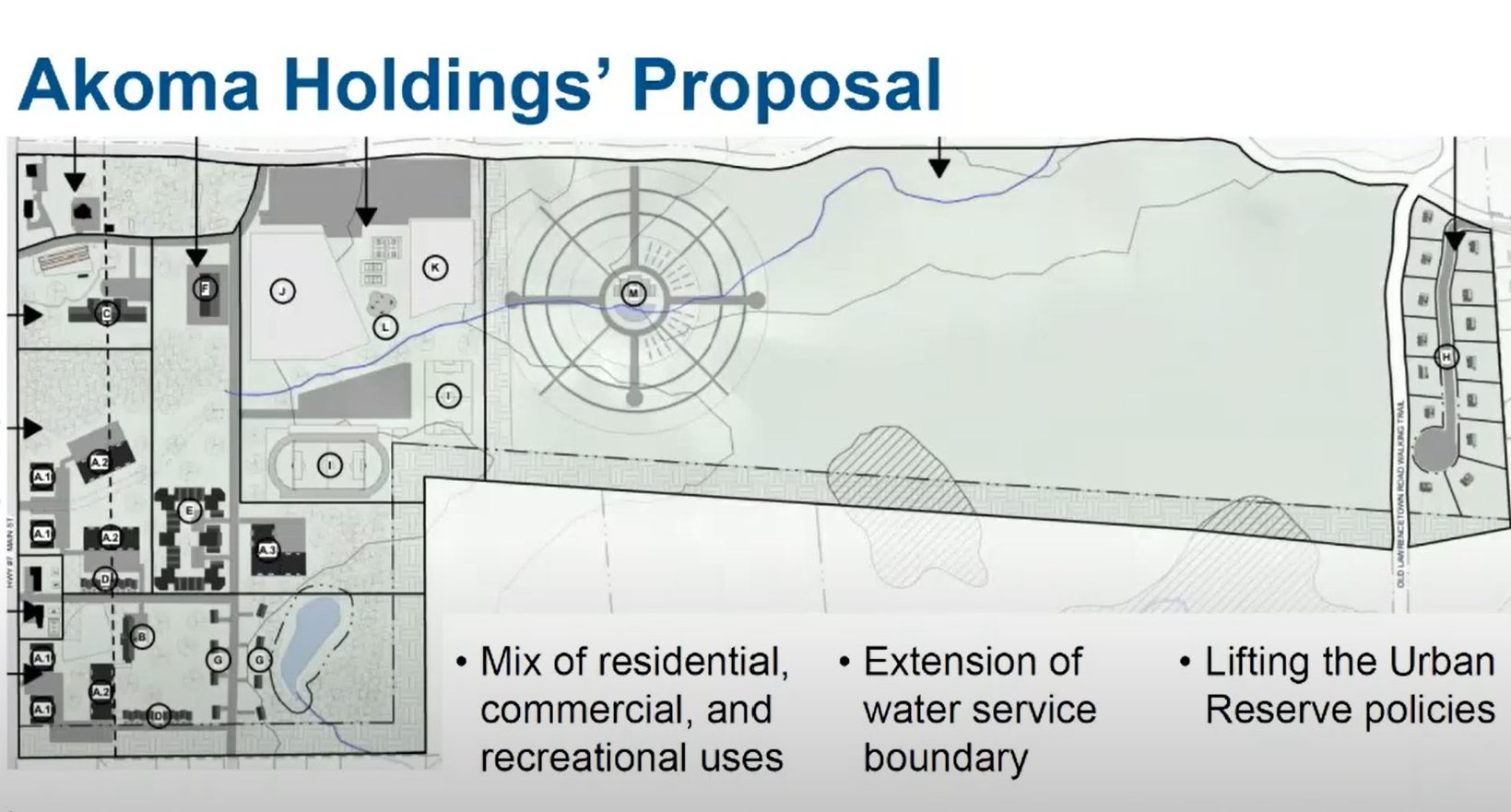
Image: Halifax Reginal Municipality
Wanda Bernard, a Canadian senator and East Preston resident, said she sympathized with the former NSHCC residents but fully supported the development.
“It is most unfortunate that there is still a lot of pain and trauma experienced by the former residents,” she said.
However, she argued it’s important “we not allow the pain and turmoil of those former residents” to derail a development that could have such a positive impact on the Preston Township communities.
Bernard, who once sat on Akoma’s board, said the project would bring “a much-needed economic justice development to the Preston township communities.”
“These communities have been adversely affected by systematic anti-black racism since our settlement here. Akoma not only has the vison for a vibrant economic development and community plan that addresses and targets specific community needs, but Akoma also has the capacity and the support of many communities,” she said.
“Allowing this development to proceed would signal to the rest of Nova Scotia that economic development is a form of economic justice and also a form of reparations that lead to empowerment.”
She said the project would bring jobs and training opportunities to the community, along with much-needed housing, services and programs.
“This will have a tremendous impact on the economic, social, and political economy of this region. This development will bring pride, this development will bring empowerment, this development will bring economic justice,” she said.
Council voted unanimously to approve the zoning changes requested by Akoma.
With council approval secured, the next step for the project is a review from the provincial government.
If the province allows the zoning changes, Akoma can begin applying to develop the property as it wishes. Those applications will go through the city’s normal development approval process.
HRM staff estimate Akoma’s full project will likely take more than a decade to complete.